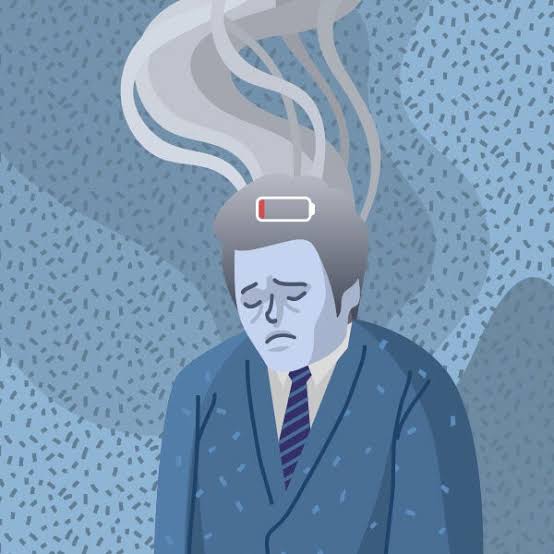
 We often talk about workplace burnout as a personal failing—a lack of individual resilience or an inability to set firm boundaries. “They need to stop working so late.”
In reality, burnout looks different depending on where a person is in their career. A recent Harvard Business Review article demonstrates how we can address issues of burnout at different career stages.
When organizations view burnout as a universal experience, they default to generic solutions like wellness apps or broad mandates. In reality, burnout manifests uniquely depending on your role, your proximity to decision-making, and your level of authority. Preventing burnout requires leaders to recognize these distinct pressure points across the org chart and redesign how work gets structured.
To effectively stop burnout before it starts, leaders must address its root causes at every organizational level:
- Early-Career Professionals (Invisible Overload): At this stage, burnout is driven less by sheer hours and more by a lack of clarity and low control. Junior employees burn out trying to decode unspoken expectations. The Fix: Limit weekly priorities to three or fewer, make decision-making workflows explicit, and grant permission to ask questions without penalty.
- Mid-Career Managers (Structural Compression): Managers face high responsibility with limited authority, trapped between executive demands and team needs. Flexibility often degrades into constant availability. The Fix: Reduce meeting bloat, clarify decision rights, and establish strict norms around off-hours communication.
- Executives (Moral Injury): For senior leaders, burnout stems from decision fatigue, isolation, and value conflicts when business demands clash with personal ethics. The Fix: Build trusted peer forums for confidential reflection and establish clear decision cadences to prevent constant firefighting.
- Founders & Mission-Driven Leaders (Identity Collapse): When a leader’s personal identity merges completely with their organization, rest feels like betrayal. The Fix: Structure governance so the mission does not rely on individual overextension, and maintain explicit “stop doing” lists.
Burnout is not solved by asking employees to tough it out or rely on productivity hacks. Real prevention requires evaluating systemic friction: Where has constant availability replaced actual performance? Which delayed decisions are creating unnecessary urgency? When we fix the underlying system design, we protect both human well being and organizational performance.
*Ideas for this blog taken from: Auger-Dominguez, D. “Burnout Looks Different Across the Org Chart. Watch for These Signs.” Harvard Business Review online, April 3, 2026.